LONG READ
Davao After the Office Moved North
The BPO industry built its Philippine heartland in Metro Manila and Cebu. Davao has been doing something quieter and, for many workers, more liveable.
THE PROVINCES
The Geography of the Shift
Davao City sits at the southeastern end of the Philippine archipelago, the largest city by land area in the country and the economic capital of Mindanao. It is not Manila. It has never tried to be. When the outsourcing industry began its serious expansion into secondary cities in the 2000s and early 2010s, Davao absorbed a portion of that growth in a way that suited the city's existing character: deliberately, without the dramatic skyline construction that marked Bonifacio Global City or the density of Cebu IT Park.
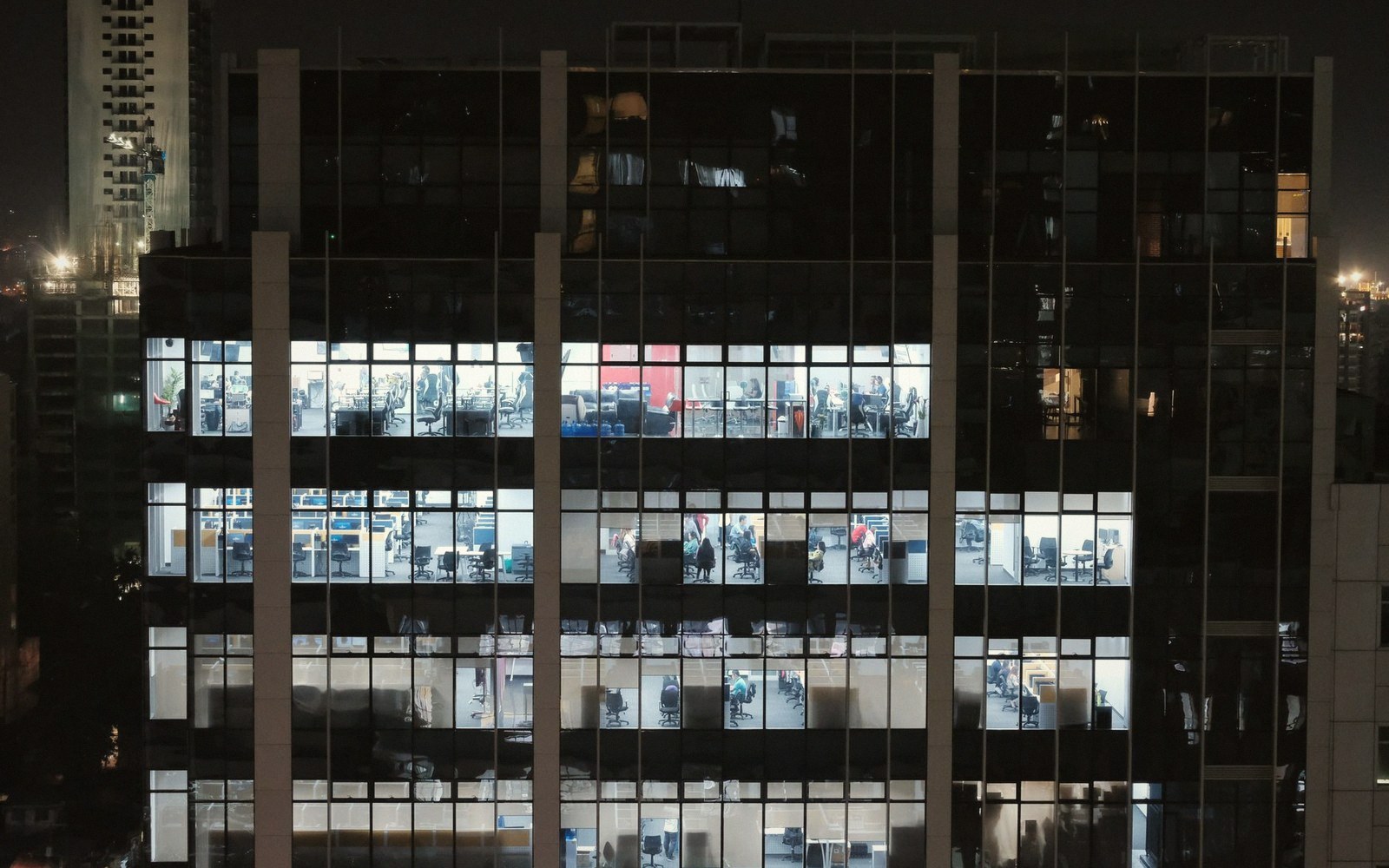
The offices arrived in clusters. The Lanang district, stretching along the bay north of the city proper, became one focal point — SM Lanang Premier and the mixed commercial developments around it drew call centre locators alongside retail. Ecoland and the areas around the old downtown held others. Unlike the purpose-built IT corridors of Manila, Davao's outsourcing footprint is woven into the general commercial fabric of the city. You walk past a hardware store, a market stall selling dried fish, and then a glass-fronted office tower with a headset provider's logo on the seventh floor. The contrast is unremarkable to anyone who lives there.
The companies that set up operations in Davao are predominantly mid-tier and Philippine-grown: regional players, homegrown BPO firms expanding out of Manila, and a smaller share of the international majors. Concentrix, Accenture, and Teleperformance all have a presence, but Davao is not where any of them put their largest floor. That keeps the labour market from the kind of compressed, hypercompetitive recruitment cycle that defines BGC or Cebu IT Park. For workers, it also means the wage scale sits below Metro Manila, adjusted against a cost of living that is also meaningfully lower.
What the City Feels Like When You Work in It
Davao runs differently from Manila in ways that matter to anyone spending most of their week at a desk and the rest of it in the city. Traffic is a problem by Davao standards; by Manila standards it is a mild inconvenience. A commute of forty minutes is considered genuinely bad. The city is walkable in pockets — around Matina, parts of Ecoland, along portions of the Lanang commercial strip — in a way that almost no part of Metro Manila is. That mobility changes the texture of work life: the canteen lunch run is possible, the post-shift errand is not a logistical operation.
The internet infrastructure that underpins remote and outsourced work has improved significantly over the past several years, though Davao remains subject to the same PLDT and Converge service realities as the rest of the country outside Metro Manila. Fibre reaches the commercial and residential areas where most BPO workers live, and the major outsourcing offices have redundant connections as a matter of operational necessity. For the independent contractor working from an apartment in Matina or a co-working space near SM Lanang, connection quality is broadly workable — not the seamless guarantee a Manila BGC address implies, but far removed from the provincial internet realities that make remote work punishing in smaller towns further up the Mindanao interior.
What Davao has that Manila does not, and that shapes daily working life in quiet but persistent ways, is a sense of physical scale that does not overwhelm. The city of roughly two million people — spread across an enormous administrative area that includes agricultural and forested land well beyond the urban core — retains a quality of approachability. Markets are near offices. The Bankerohan public market, one of the largest in Mindanao, operates every day in the city centre and is as much a part of the food infrastructure for shift workers as any convenience store chain. Durian — the city's most emblematic product, sold along Magsaysay Park in season — is a genuine part of the daily texture rather than a regional novelty.
The Remote Worker's Davao
The rise of fully distributed work after 2020 changed Davao's relationship to the outsourcing economy in ways that are still settling. Davao workers who had been employed in Manila offices began returning home, as return migration pulled people back to cities where their families were and their peso went further. Some of them found employer-of-record arrangements that let them stay remote permanently. Others moved into independent contracting. The city was already there to receive them — co-working infrastructure existed, reliable-enough internet existed, a professional community existed — but the scale of the return created new demand.
The co-working offer in Davao is thinner than Manila's but more useful than most secondary cities. Outposts and smaller independent spaces sit in the commercial zones. A contractor who needs a professional address, a stable connection, and occasional access to a meeting room can find that without difficulty. What Davao does not yet have is the density of BGC's co-working strip or the critical mass of Cebu IT Park, where you can arrive without a reservation and be certain of a desk. In Davao, you tend to know which space you are going to before you leave the house.
The food economy around BPO hours is real and functional. Carts and carinderias — small informal eateries — operate through the night in the districts near the major outsourcing offices, calibrated to the overnight schedule. Inasal, the char-grilled chicken that is deeply Visayan and thoroughly adopted by Davao, is available at hours that make no sense by ordinary meal convention and complete sense by shift logic. The city's size means deliveries reach workers who do not leave their posts; the platforms serve Davao with the same basic logic as everywhere else, though the restaurant density on any given app is lower than Manila.
What It Offers That Isn't About Infrastructure
Any honest account of Davao has to include the political reality that shapes the city's public character. Davao built a reputation over many years as unusually orderly by Philippine city standards — low visible street crime, strict public ordinances, a civic culture that values legibility and predictability. That reputation draws workers and investors both, and it is part of what the city markets to corporate locators. Workers report that it affects daily life in small concrete ways: a confidence about moving at night that is not universal in Philippine cities of comparable size.
What the city offers the knowledge worker, the BPO employee, or the independent contractor choosing where to plant themselves is fundamentally a liveable version of professional life — one where the salary may be lower than Manila but the actual daily experience of being in the place is less grinding. The commute does not consume a worker. The cost of a decent apartment does not erase a month's earnings. The food is genuinely good and genuinely cheap. The landscape beyond the urban core — Mount Apo, the Gulf of Davao, the beaches of the peninsula to the west — is accessible in a way that Metro Manila's surrounding geography, even where it survives, rarely is within a day.
None of this is a reason to romanticise the city. Davao has its own infrastructure gaps, its own labour market pressures, its own set of frustrations for anyone trying to operate professionally from there. The outsourcing industry's centre of gravity remains in Manila, and many of the highest-value contracts and most sophisticated process work still run from BGC and Makati and Cebu. Davao is not competing for that position. What it has built, steadily and without much fanfare, is a city where the work is possible and the life around it is bearable. For a growing number of Filipino professionals, that combination is the thing they are actually looking for.