REPORTED
Bacolod's Quiet BPO Belt
The City of Smiles built its outsourcing economy the way it does most things — without making too much noise about it.
THE PROVINCES
How Bacolod Got Here
Bacolod City sits on the western coast of Negros Occidental, a province that spent most of the twentieth century defined by sugar. The hacienda system shaped everything — land tenure, labour relations, the gap between those who owned the cane and those who cut it. When global sugar prices collapsed in the 1980s, the social damage was severe and it lasted. What Bacolod carries from that period is not nostalgia but a structural reality: a large working-age population, a persistent hunger for stable employment, and a city government that learned, over decades, to treat economic diversification as survival rather than ambition.
BPO investors noticed this later than they noticed Cebu, and later still than Metro Manila. But the conditions were already there. Bacolod has two universities — the University of St. La Salle and the University of Negros Occidental-Recoletos — alongside several other colleges producing English-proficient graduates every year, many of whom historically left for Manila or abroad because local white-collar work was scarce. The city's cost base was lower than Cebu's, its labour pool was underemployed relative to its education level, and Robinsons and Ayala had already moved in commercial infrastructure. For a BPO firm scouting for its second or third Philippine site, that combination was worth a closer look.
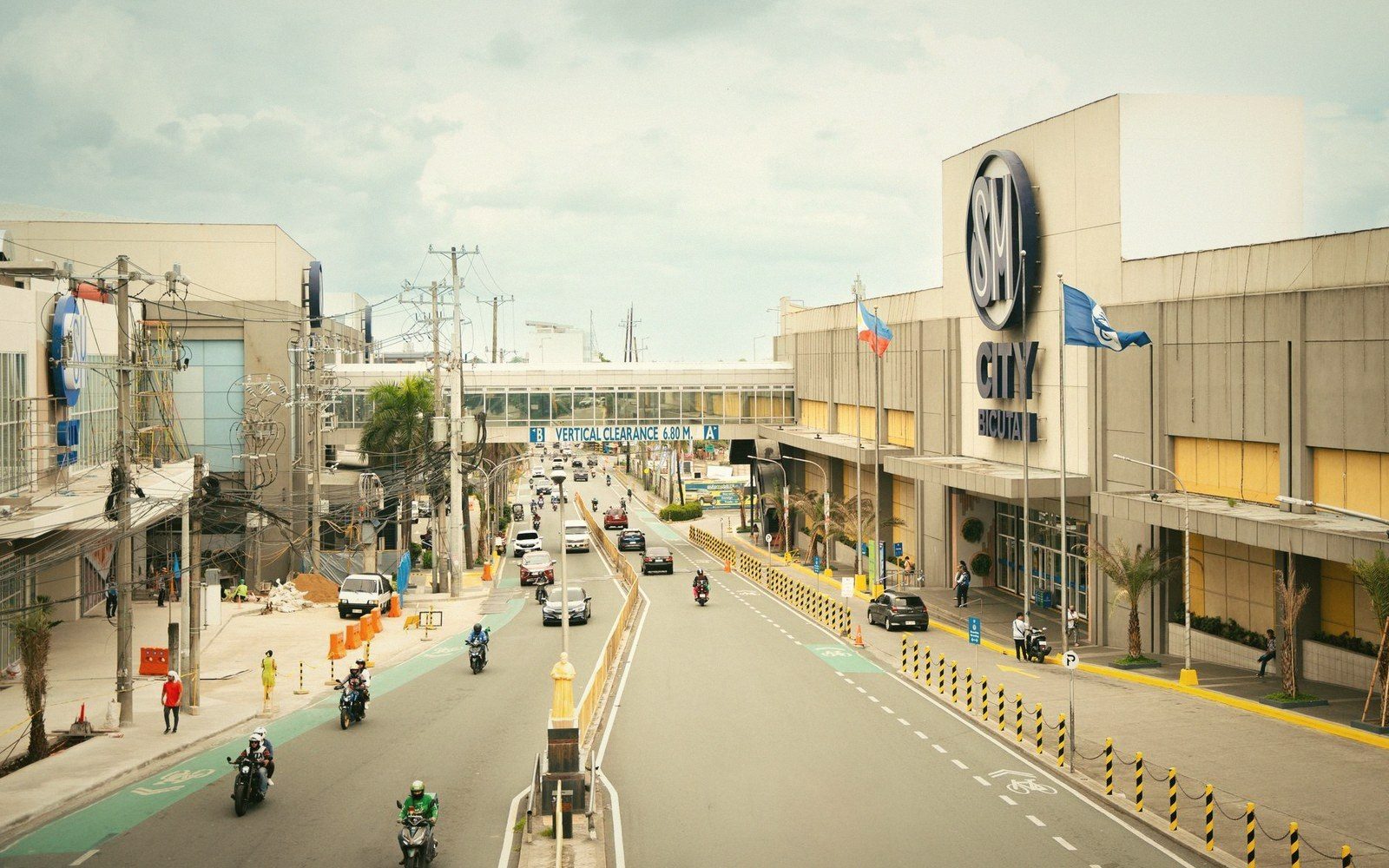
The first significant call centre operations appeared in Bacolod in the mid-2000s, and growth was gradual but consistent. By the early 2010s, recognisable names in the outsourcing industry had established seats in the city's emerging commercial corridors — particularly around Lacson Street and the areas near SM City Bacolod. The Philippine Economic Zone Authority designated IT parks and economic zones that allowed registered firms to operate with fiscal incentives. Bacolod was not competing with Manila; it was occupying a different slot in the industry's geography, and that distinction mattered.
What the Work Actually Looks Like
For workers, the practical texture of BPO life in Bacolod differs from the metro in ways that compound over time. The commute is the most immediate difference. A seat in a Bacolod call centre is rarely more than thirty minutes from where an agent lives; most are closer. Traffic exists but it does not consume the day the way Edsa does. This is not a minor quality-of-life detail — it changes sleep, it changes mood, it changes whether a night-shift worker arrives at their workstation already worn down or not.
Rent and food costs are lower. A worker earning the same nominal salary as a Manila counterpart has more of it left after the basics. The ulam economy that feeds shift workers everywhere in the Philippines operates here too, but the price points at a Bacolod carinderia reflect provincial costs, not Metro Manila ones. The tradeoff is that salaries at Bacolod BPO sites have historically run below Metro Manila rates for comparable roles, so the equation is not simple arithmetic — it is a question of what lifestyle the net figure actually buys.
The floor culture is recognisably the same as anywhere else in the industry: team leaders, queue metrics, escalation procedures, the particular energy of a room full of people on headsets. The accounts serviced from Bacolod include voice and non-voice work across the full range of verticals — financial services, healthcare, retail, technical support. Workers code-switch between Filipino and English the way their counterparts in Manila or Cebu do, and the regional inflection of Ilonggo in the break room does not prevent anyone from hitting accent benchmarks on the floor.
What Bacolod does not have, at least not at metro scale, is the density of options. An experienced agent in Manila who wants to change employers, move into a different account type, or step into a training or quality assurance role has dozens of potential moves within a short radius. In Bacolod, the market is thinner. Career mobility is possible but slower, and workers who reach a ceiling locally still face the old calculus: stay and accept the limit, or go.
The City It Is Now
Bacolod has grown without becoming unrecognisable. The commercial strips are busier, the co-working spaces that did not exist fifteen years ago have begun to appear, and the independent contractor population — people doing remote work for international clients outside any firm's headcount — is a visible part of the working landscape in a way it was not before. The pandemic years accelerated this: workers who had been in Metro Manila returned home and found, to their own mild surprise, that the connection infrastructure had improved enough to make remote work viable.
The BPO belt is real, but it remains quiet in the way Bacolod tends to be quiet. It does not produce the same volume of industry association press releases as Cebu or Clark. The city does not position itself as a rival to Manila; it is too pragmatic for that. What it has built is a functioning, mid-scale outsourcing economy that provides stable employment for a significant slice of its working population, in a city where the cost of a life is still within reach of what that employment pays. In a country where those two things are often far apart, that is not nothing.